
Position Statement: SCOTUS Reaffirmation of Birthright Citizenship Protects Health of Immigrant Communities

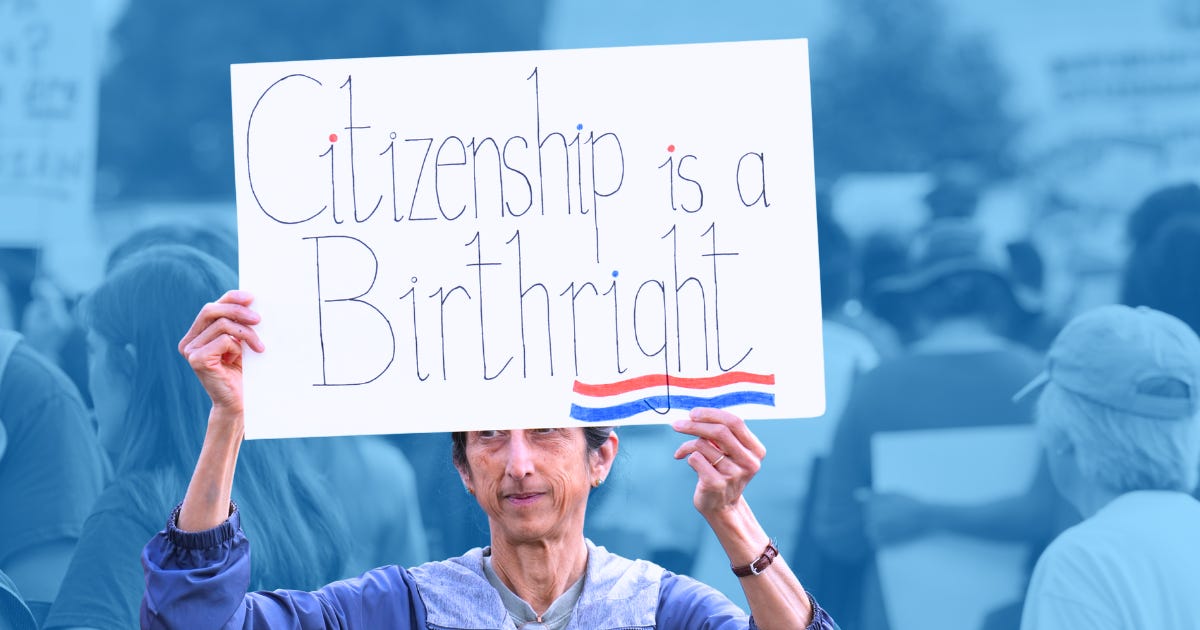
Migrant Clinicians Network applauds the Supreme Court’s decision Tuesday to reaffirm birthright citizenship, a right that is ensconced in the 14th Amendment. The health implications are significant, particularly for infants, children, pregnant immigrants and migrants, and our communities as a whole.
Removing birthright citizenship would create a class of US-born individuals with uncertain legal status and reduced access to the rights and protections associated with citizenship. A society that creates such a tiered system of belonging is a society steeped in health inequities, with significant and destabilizing barriers to health care, stable housing, safe working conditions, education, and other key drivers of health. Unstable legal status brings with it chronic stress, anxiety, and poorer mental health status. This ruling avoids creating this underclass that would generate an additional source of fear and toxic stress for immigrant families and throughout childhood.
Maintaining birthright citizenship reduces barriers to maternal health services and pediatric care. Policies that restrict citizenship create fear and uncertainty. Research shows this discourages pregnant women from seeking prenatal care or delivering in hospitals. By reassuring families that their children’s immigration status is not in limbo, this decision keeps the doors to our clinics open for all members of our community, so that pregnancies can be healthier and infants and children can receive vaccines and wellness care. As they grow, children with secure legal status will more easily access health coverage, nutrition programs, and social services that support healthy development, to improve health across the lifespan.
The health of one part of our community affects the health of all of our community. When more children receive preventive care, immunizations, and regular medical services, communities benefit through improved population health and reduced use of costly emergency services. Immigrants pay more into the health system than they utilize; they use less health care, have lower health care costs, and subsidize health care for US-born citizens. Maintaining birthright citizenship will not increase health costs but instead will ensure that children in the United States will continue to have a chance to grow up healthy, regardless of their parents’ immigration status. To ensure healthy communities where all people have access to needed affordable health services, a universal health care system that decouples health care access from immigration status is an essential next step.
We acknowledge that the court’s many decisions this session have not been uniformly positive for the health and well-being of our communities. We at MCN invite you to join us to push for clinically sound policies that ensure health, safety, dignity, and care for all members of our communities.